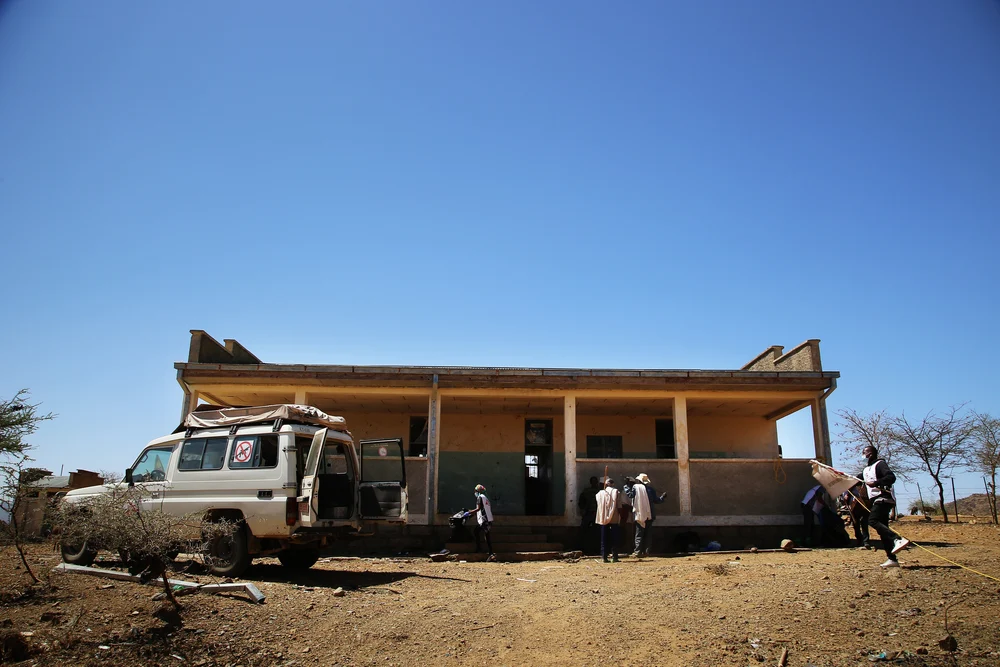
Difficult terrain
Remote communities and challenging routes can make urgent deliveries unpredictable.
LifeLine Air is building Ethiopia’s emergency drone-delivery network—starting with urgent medicines and expanding to blood, vaccines, laboratory samples, and critical medical supplies.
In an emergency, geography becomes part of the diagnosis. LifeLine Air is being designed to connect medical supply points with care locations through a faster, more direct aerial logistics layer.
Remote communities and challenging routes can make urgent deliveries unpredictable.

Congestion, distance, and road conditions can turn minutes into dangerous delays.
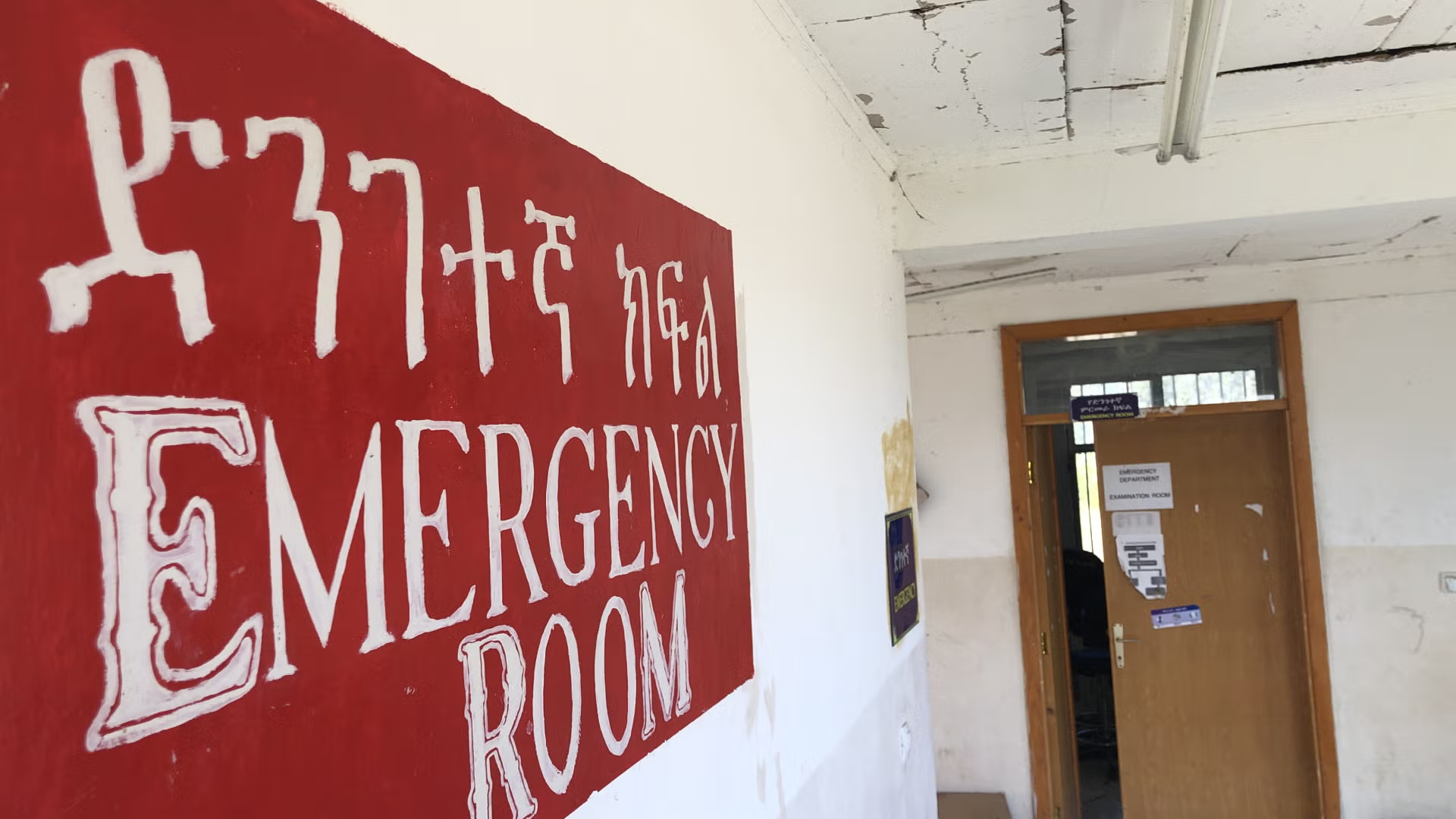
Essential medicines may exist in one facility while a nearby patient cannot reach them.
Every proposed flight begins with a verified medical need and ends with a confirmed delivery.
A hospital, clinic, pharmacy, or care team requests an urgent medicine delivery.
The payload is secured, the route is verified, and the receiving location is confirmed.
An autonomous aircraft follows a monitored route beyond road delays and difficult terrain.
The recipient confirms the handoff, completing a traceable chain of custody.
Emergency medication delivery is the first focus. The same secure network is planned to support the wider medical supply chain over time.
The roadmap begins with nationwide Ethiopian coverage and grows into a connected East African emergency logistics network.





Medical logistics demand more than speed. The LifeLine Air operating model is being designed around visibility, secure handling, and accountable delivery.
Verified requests, documented payloads, and confirmed recipients.
Secure transport designed around the needs of time-sensitive medicines.
Planned missions monitored from preparation through arrival.
A network intended to grow with aviation, health, and community partners.
We’re interested in conversations with hospitals, clinics, pharmacies, health authorities, aviation partners, and mission-aligned investors.